Introduction
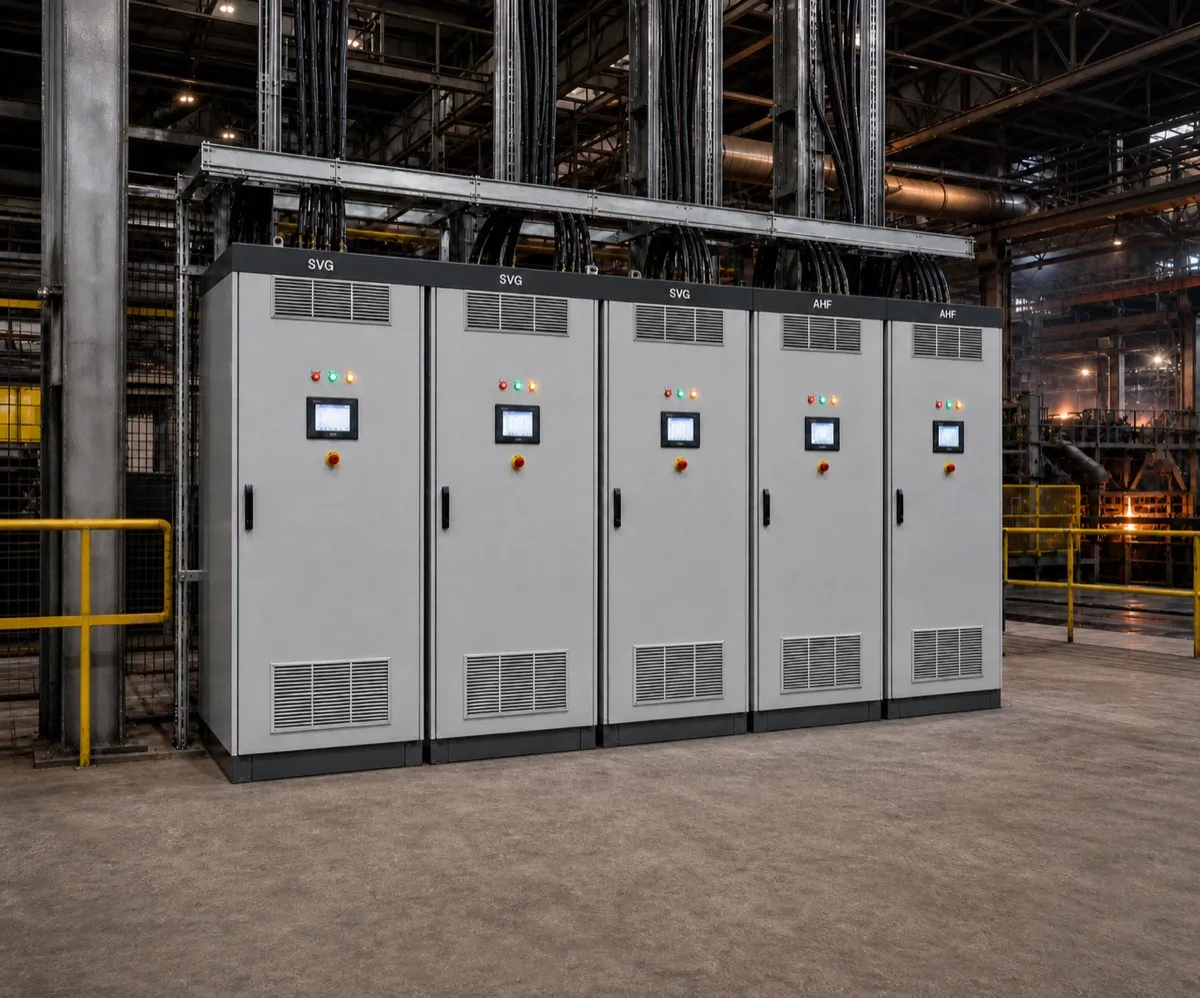
Active Harmonic Filters are essential for factories looking to enhance power quality and efficiency. Many industrial setups face issues with non-linear loads, which lead to harmonic distortion in their electrical systems. This distortion can cause overheating, equipment failure, and increased energy costs. Active harmonic filters work by detecting and eliminating these harmonics, leading to better power quality, reduced energy consumption, and increased reliability. By minimizing the impact of electrical distortion, factories can ensure smoother operations and lower maintenance costs. 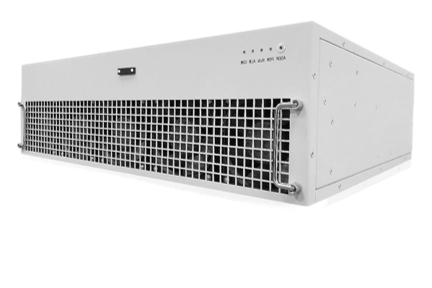
Summary Answer
Active harmonic filters help factories improve power quality by reducing harmful electrical distortions, enhancing efficiency, and ensuring stable operations.
1. Key Benefits of Active Harmonic Filters
1.1 Improved Equipment Health
Active harmonic filters protect sensitive equipment from damage. They stabilize voltage levels and prevent overheating, thus extending the lifespan of machinery.
1.2 Enhanced Energy Efficiency
These filters optimize energy usage, reducing overall costs. Industrial users can save significantly on electricity bills by minimizing wasted energy.
1.3 Compliance with Standards
Many industries have strict regulations on power quality. Active harmonic filters help facilities adhere to these standards, avoiding fines and ensuring smooth operations.
1.4 Increased System Reliability
By reducing harmonic distortion, active filters contribute to a more reliable electrical system. This reliability translates to fewer outages and maintenance issues.
1.5 Easy Installation and Integration
Modern active harmonic filters are designed for simple installation. They can easily integrate into existing electrical systems without significant modifications.
1.6 Real-time Monitoring and Control
Some active harmonic filters offer real-time data monitoring. This feature helps factory managers track performance and make informed decisions about energy usage.
2. Comparison of Active Harmonic Filters
Below is a table comparing different types of active harmonic filters available on the market:
| Filter Type | Harmonic Order Reduction | Cost | Installation Time |
|---|---|---|---|
| Active Harmonic Filter A | Up to 50th | High | 2 days |
| Active Harmonic Filter B | Up to 30th | Medium | 1 day |
| Active Harmonic Filter C | Up to 20th | Low | Half a day |
3. Steps to Implement Active Harmonic Filters
The following diagram illustrates the basic steps for implementing active harmonic filters in an industrial setting:
- Assess the current electrical system and identify harmonic issues.
- Select the right active harmonic filter for your specific needs.
- Prepare the installation site to facilitate smooth integration.
- Install the active harmonic filter according to the manufacturer’s guidelines.
- Monitor performance post-installation to ensure effectiveness.
Conclusion
In conclusion, active harmonic filters are vital for factories aiming to enhance power quality and efficiency. By reducing harmonic distortion, these filters not only protect equipment but also lead to cost savings and improved operational reliability. Implementing active harmonic filters is a proactive strategy for any factory looking to optimize its electrical systems.
FAQ
What is an active harmonic filter?
Active harmonic filters are devices that reduce harmonic distortion in electrical systems, improving power quality and efficiency.
Why are harmonics a problem for factories?
Harmonics can lead to overheating of equipment, increased energy costs, and compliance issues with electrical standards.
How do active harmonic filters work?
They detect harmonics present in the system and generate corrective signals to neutralize them, thus improving overall power quality.
What benefits do factories see from using active harmonic filters?
Benefits include improved equipment lifespan, reduced energy consumption, compliance with regulations, and enhanced reliability.
Can active harmonic filters be integrated into existing systems?
Yes, most active harmonic filters are designed for easy integration into existing electrical systems.
How do I choose the right active harmonic filter for my factory?
Evaluate your specific needs, such as the type of loads, harmonic orders, and installation conditions before making a decision.