Introduction
Current transformers (CTs) are vital components in electrical systems. They measure alternating current (AC) for protection and monitoring. Many people wonder, **can a current transformer work in reverse**? This question arises from the need for understanding transformer functionality. A reverse operation could impact efficiency and safety. If CTs could work backward, it could change the way we approach power systems and metering. Let\'s explore this fascinating topic further.

Summary Answer
In short, **a current transformer cannot operate in reverse** effectively. While it may seem possible in theory, it is not functionally practical. Let\'s delve deeper into why this is the case.1. How Current Transformers Work
Basic Principles
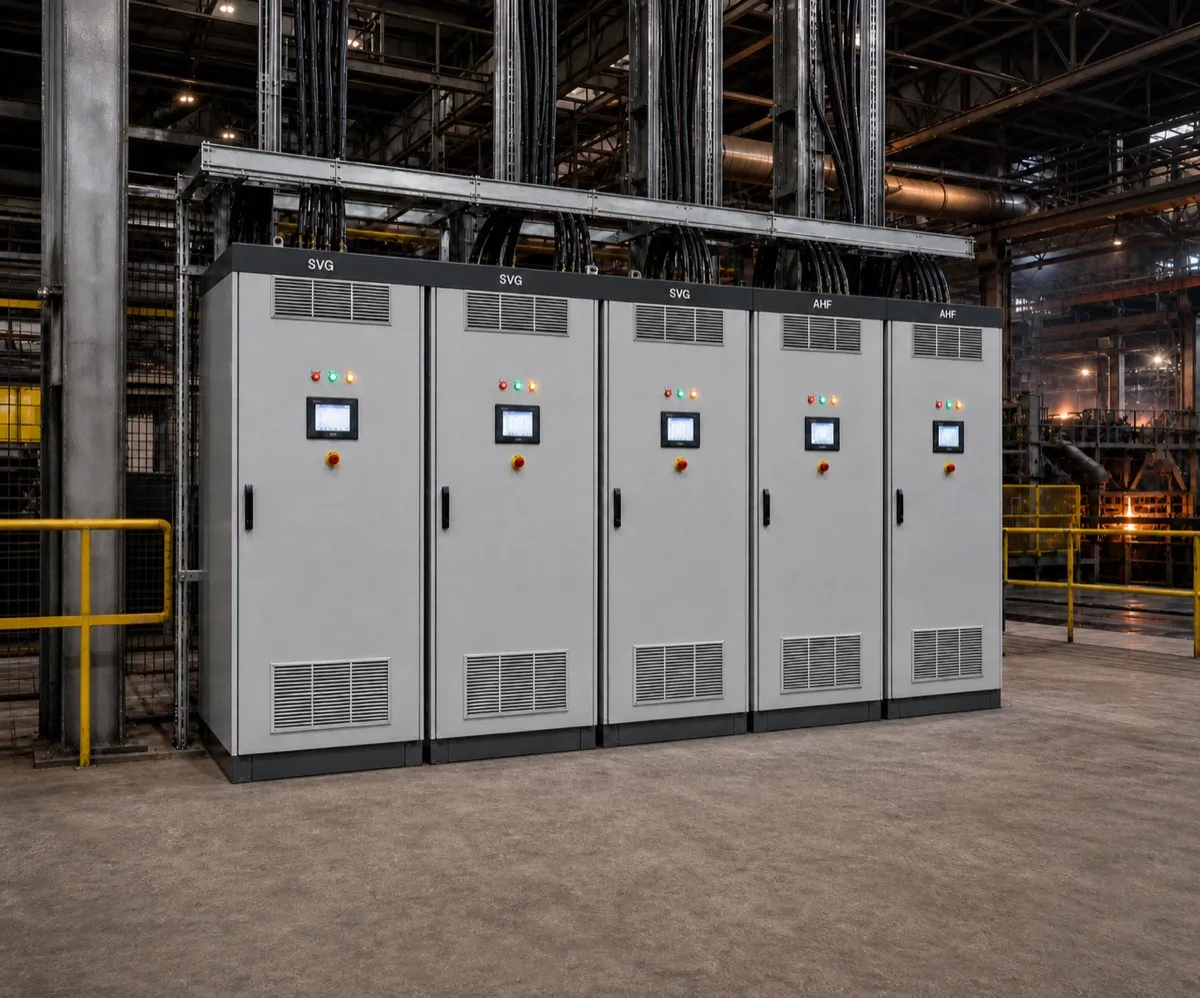
Current transformers work by using electromagnetic induction. They measure AC currents by producing a proportional magnetic field. This process creates a secondary current that translates to the primary current value. For more understanding, refer to the image above.Connections and Wiring
Proper connections are crucial for accurate readings. CTs are usually connected in series with the primary conductor. They are designed for specific current ratings. The primary winding carries the main current while the secondary winding produces the output.2. Limitations of Working in Reverse
Impedance Issues
If you attempt to run CTs in reverse, you face high impedance. This could lead to an inability to produce measurable output. The system is not designed for this type of operation.Safety Concerns
Running a CT in reverse could pose safety risks. It may lead to inaccurate readings, potentially causing equipment damage. A malfunction could happen due to unforeseen operational parameters.3. Case Studies and Examples
Successful Transformations with Alternative Methods
Some engineers have experimented with different transformer designs to improve efficiency. However, these advancements often do not apply when considering operating a current transformer in reverse.Comparisons with Other Transformers
Here is a comparison of current transformers with other transformer types:
| Type | Uses | Reverse Operation Feasibility |
|---|
| Current Transformer | Measurement | Not Feasible |
| Voltage Transformer | Voltage Measurement | Not Typically Feasible |
4. Conclusion
In conclusion, while the idea of **can a current transformer work in reverse** is intriguing, it is not practical. The limitations of impedance and safety risks make such operations unfeasible. Understanding how current transformers function helps clarify their roles in electrical systems. It\'s essential to maintain proper functioning to ensure reliable performance.Frequently Asked Questions (FAQ)
1. What happens if a current transformer is connected backward?
If connected backward, it can lead to incorrect readings and possible equipment damage. The design does not support reverse operations.2. Are there any benefits to using a current transformer?
Yes, current transformers provide accurate current measurement for monitoring and protection in electrical systems.3. Can I use a current transformer for DC measurements?
No, current transformers are specifically designed for AC measurements only.4. How do I choose the right current transformer?
Choose based on current rating and application type. Consider the voltage and insulation requirements as well.5. Are there different sizes of current transformers?
Yes, current transformers come in various sizes to meet different operational needs and current ratings.