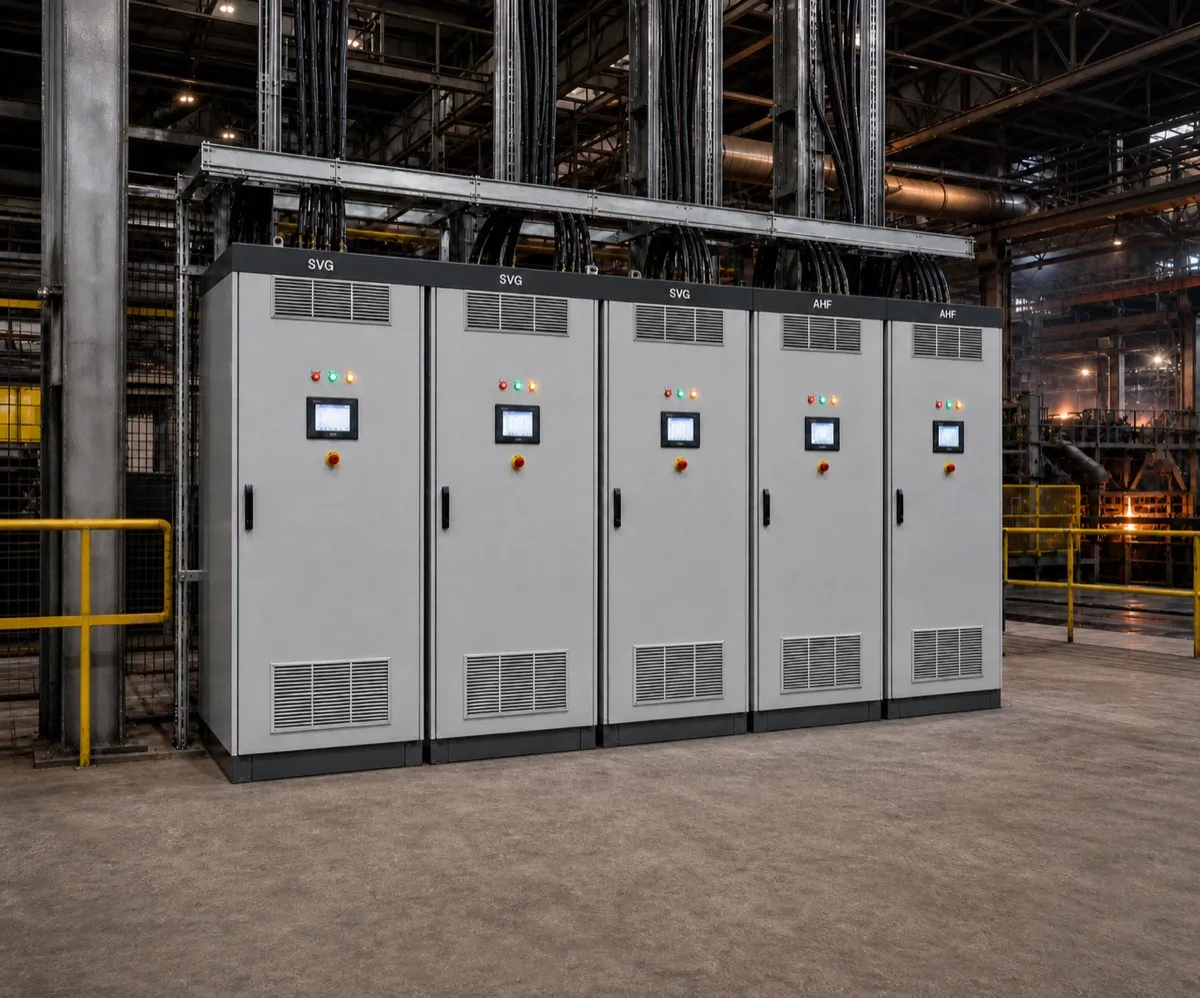
Understanding Harmonic Distortion and its Impact on Energy Consumption
What is Harmonic Distortion?
Harmonic distortion refers to the presence of harmonics, or unwanted frequencies, in the electrical system, which can lead to inefficient energy consumption and increased operational costs. Understanding this concept is crucial to addressing energy savings.
The Role of Harmonic Filters
Active Harmonic Filters are devices designed to mitigate harmonic distortion, ensuring a more efficient use of energy in electrical systems. By minimizing these distortions, they help in reducing wasteful energy losses.
Step-by-Step Guide to Implementing Active Harmonic Filters
First Step: Assess Your Current Power Quality
Begin with a power quality analysis to measure total harmonic distortion (THD) and identify if harmonic filters are necessary. Use specialized power quality analyzers for accurate measurements.
Second Step: Choose the Right Filter for Your Needs
Identify the harmonic orders present in your system.
Consider your system\'s size and load characteristics.
Select between passive and active harmonic filters based on your analysis.
Third Step: Installation Process
Gather required tools and personnel for installation, such as:
Voltage and current sensors
Circuit breakers
Installation manual of the chosen filter
Follow the manufacturer’s installation guidelines closely, ensuring proper connections to the power system.
Test the installation to confirm proper functioning before full integration.
Fourth Step: Monitor and Adjust Settings
After installation, continuously monitor the filter’s performance and make adjustments as necessary to optimize energy savings and ensure compliance with standards.
Common Mistakes to Avoid During Installation
Overlooking System-Specific Requirements
Each electrical system has unique characteristics. Failing to account for these can lead to inadequate harmonic reduction.
Improper Sizing of Filters
Choosing a filter that is either too small or too large will not yield the expected energy savings and may result in equipment failures.
Neglecting Regular Maintenance
Active harmonic filters require regular maintenance to function effectively. Ignoring maintenance schedules can lead to reduced performance and efficiency over time.
Conclusion: The Energy-Saving Potential of Active Harmonic Filters
Implementing an active harmonic filter can significantly reduce energy costs and improve the efficiency of your electrical systems. By understanding the intricacies of harmonic distortion and carefully following the implementation steps, you can unlock the full potential of these systems. Our company, SINAVA, specializes in providing high-quality active harmonic filters tailored to your needs. Explore the benefits of harmonic filtering today and maximize your energy efficiency.