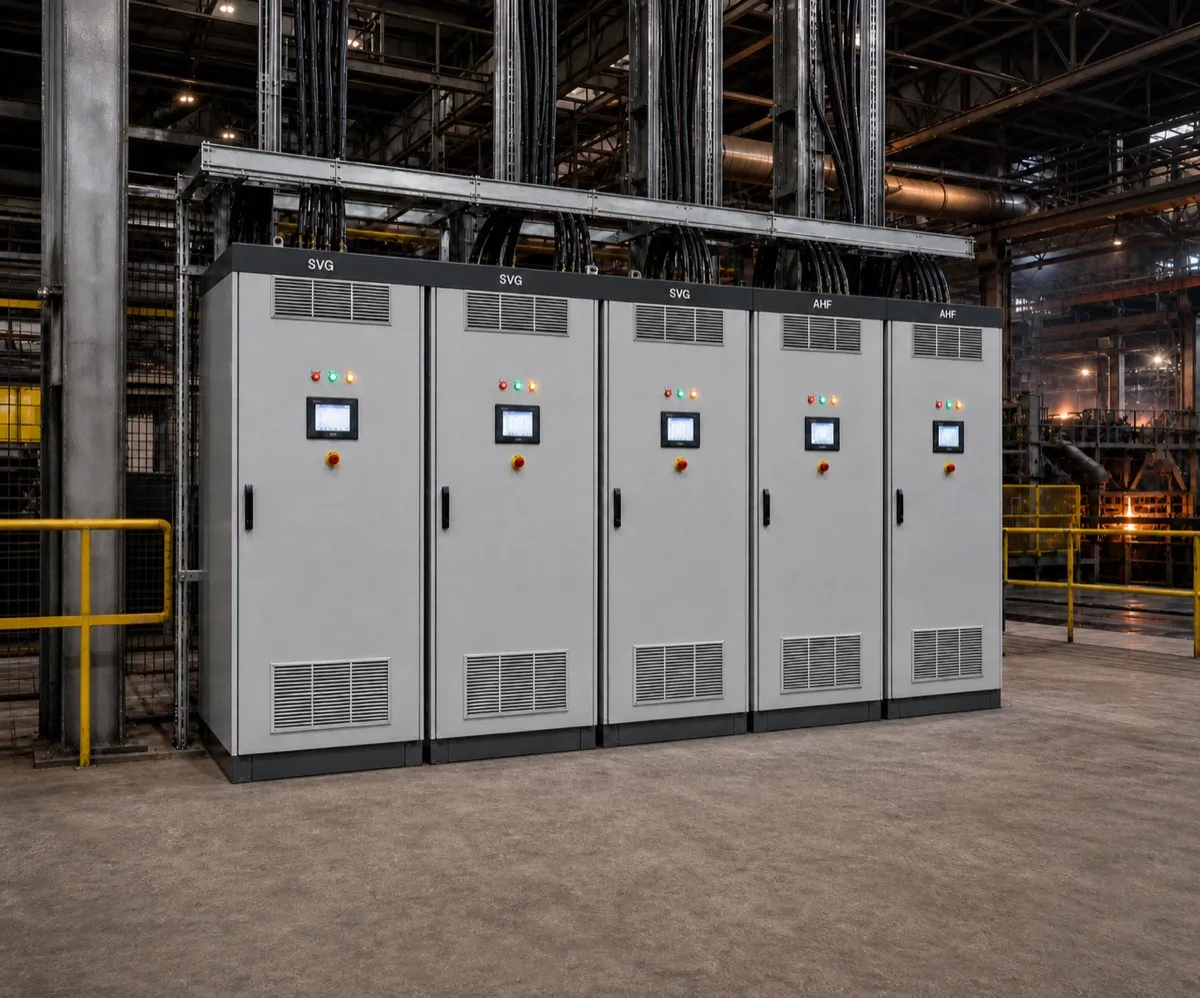
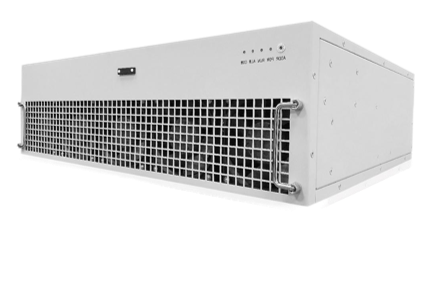
Choosing the right Active Harmonic Filter (AHF) for your facility can feel overwhelming due to the plethora of options and technical specifications available. However, I’m here to simplify the process and provide you with clear, actionable steps that ensure efficiency and precision in your selection. By the end of this guide, you’ll have a structured approach to navigate the complexities of AHF selection, ensuring that your facility’s power quality issues are addressed effectively.
First, let’s understand why selecting the right AHF is crucial. Harmonic distortion can lead to overheating of electrical equipment, equipment failures, and inefficient energy usage, which ultimately affects your bottom line. According to studies, facilities using AHFs have noticed up to a 20% reduction in energy costs due to improved power quality. With this in mind, let’s dive into the steps for choosing the AHF that best suits your needs.
Step 1: Analyze Your Power Quality Needs
Begin with a comprehensive analysis of your facility’s power quality. This involves monitoring voltage levels and current harmonics. Specifically, I recommend using a Power Quality Analyzer to assess Total Harmonic Distortion (THD) levels. According to IEEE 519 standards, ideal THD should be less than 5% for voltage and 8% for current. Record all relevant data for it will form the foundation for your decision-making process.
Tools Needed: Power Quality Analyzer, Data Logging Software
Expected Outcome: Clear understanding of your harmonic distortion level and needs.
Step 2: Identify the Right Specifications
With your power quality data in hand, you’ll need to determine the capacity of the filter required. This is usually expressed in kVA (kilovolt-amperes). The selected AHF should effectively mitigate mitigation harmonics according to the 9th harmonic and higher, which often causes significant damage to electrical systems.
Calculation Example: If your facility has an existing load of 300 kVA with a THD of 12%, you may require an AHF rated approximately 50-80% of the total load to achieve optimal results.
Now, I recommend considering filters with technical specifications such as:
Circulating Current Rating
Frequency Response
Current Ratings
Modular Design for scalability
Step 3: Choose the Right Type of Active Harmonic Filter
Active Harmonic Filters come in multiple designs, each with its specific strengths. The most common types are:
Single-Phase Filters: Ideal for smaller, localized applications.
Three-Phase Filters: Suitable for larger industrial facilities with substantial equipment.
Modular Filters: Allow for scalability, perfect for facilities anticipating future growth.
Select a type based on your facility\'s layout, anticipated load swings, and future scalability needs.
Step 4: Evaluate Installation and Maintenance Requirements
I cannot stress enough how important it is to consider the installation process and ongoing maintenance. Some filters require extensive setup, while others offer plug-and-play solutions, minimizing downtime.
Consider hiring an experienced contractor for installation who is familiar with standards such as ASTM for adherence to quality compliance.
Ensure that there is a robust maintenance plan in place. Most manufacturers recommend annual inspections to maintain performance over time.
Step 5: Factor in Budget Constraints
Lastly, while it can be tempting to go for the cheapest option, consider the long-term costs associated with the initial investment. A more expensive, higher-quality AHF may save significantly in reduced energy costs and extended equipment lifespans. In fact, some businesses have reported ROI periods as short as 18 months after installing a quality AHF.
Before finalizing your decision, compare quotes from multiple manufacturers, including industry leader SINAVA, which provides various AHF models with proven track records.
Tip: Request case studies from suppliers to understand how their products performed in similar facilities.
Conclusion
Choosing the right Active Harmonic Filter for your facility need not be a daunting task. By meticulously analyzing your power requirements, understanding specifications, selecting the correct filter type, ensuring proper installation, and staying within budget, you will significantly improve your facility\'s efficiency and reliability.
Take immediate action by following these steps and enhance your facility’s performance today. Remember to consult trusted manufacturers like SINAVA for their expertise and comprehensive support. For more details on specific models, check out this resource. Let’s power up your operations effectively!