Introduction
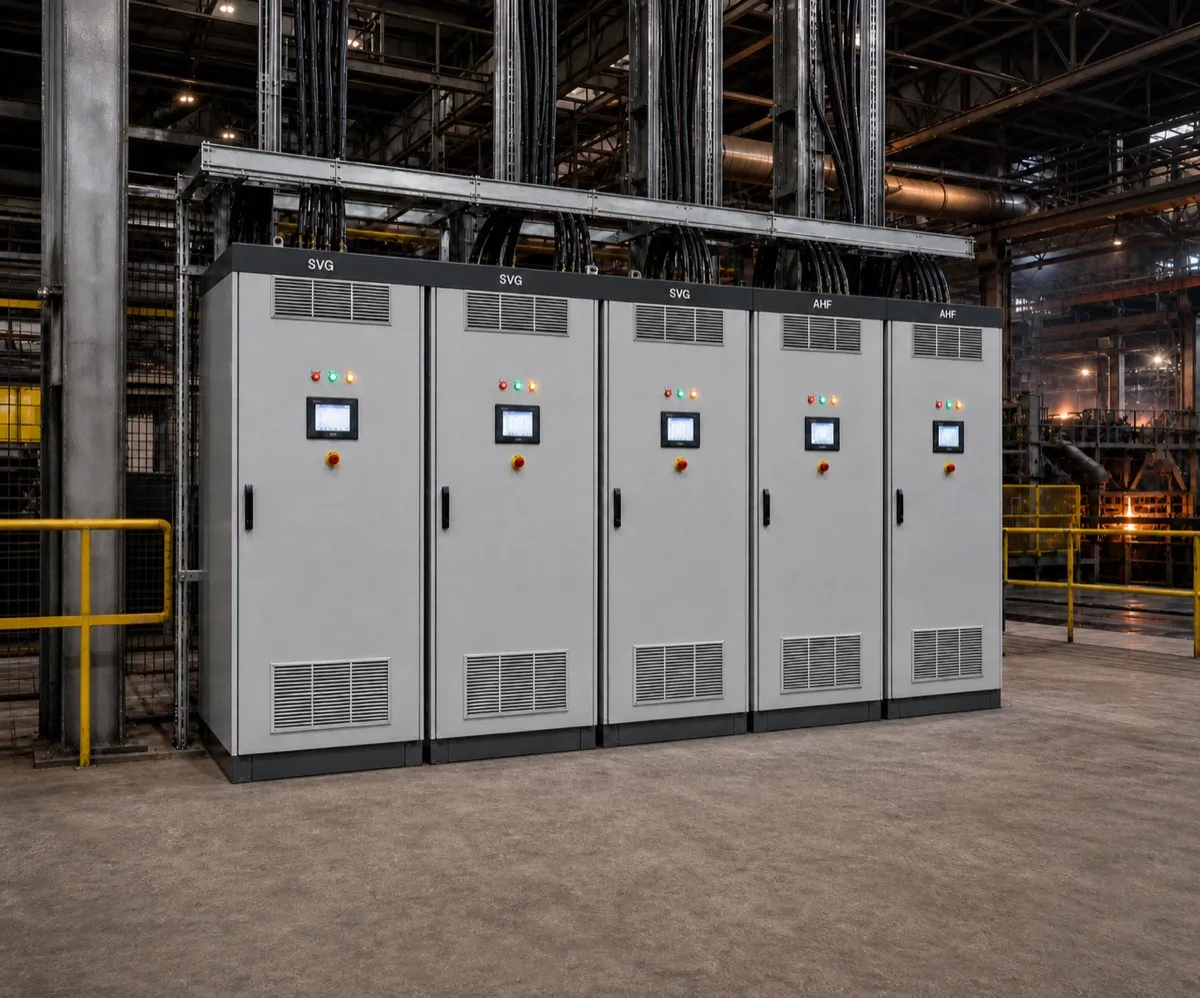
The Hybrid Power Quality Compensation System addresses the issue of power quality in industrial plants. Many facilities face problems such as voltage fluctuations, harmonics, and reactive power. These issues can lead to equipment damage and increased operational costs. By utilizing advanced technologies, a hybrid system can effectively manage power quality and enhance energy efficiency. This solution combines multiple compensation methods to deliver optimal performance.

Summary Answer
The Hybrid Power Quality Compensation System is an integrated solution that improves power quality by reducing voltage fluctuations, mitigating harmonics, and managing reactive power. It combines various compensation technologies for optimal performance in industrial settings.
Main Benefits of Hybrid Power Quality Compensation Systems
Improved Equipment Lifespan
Prevention of damage caused by voltage fluctuations.
Enhanced Energy Efficiency
Reduces energy costs by optimizing power use.
Reduced Harmonic Distortion
Maintains a clean power supply, essential for sensitive equipment.
Increased System Reliability
Offers consistent power quality, minimizing downtime.
Compliance with Standards
Helps meet regulatory standards regarding power quality.
Flexibility and Scalability
Easily adapts to the changing needs of industrial plants.
Conclusion
In conclusion, the Hybrid Power Quality Compensation System is crucial for industrial plants seeking to improve power quality. This system offers significant benefits such as improved equipment lifespan, enhanced energy efficiency, and reduced harmonic distortion. By investing in this technology, facilities can ensure a reliable and efficient power supply.
FAQ
What is a Hybrid Power Quality Compensation System?
How does it improve energy efficiency?
What are the common issues it addresses?
Is it suitable for all industrial plants?
How can one implement this system?