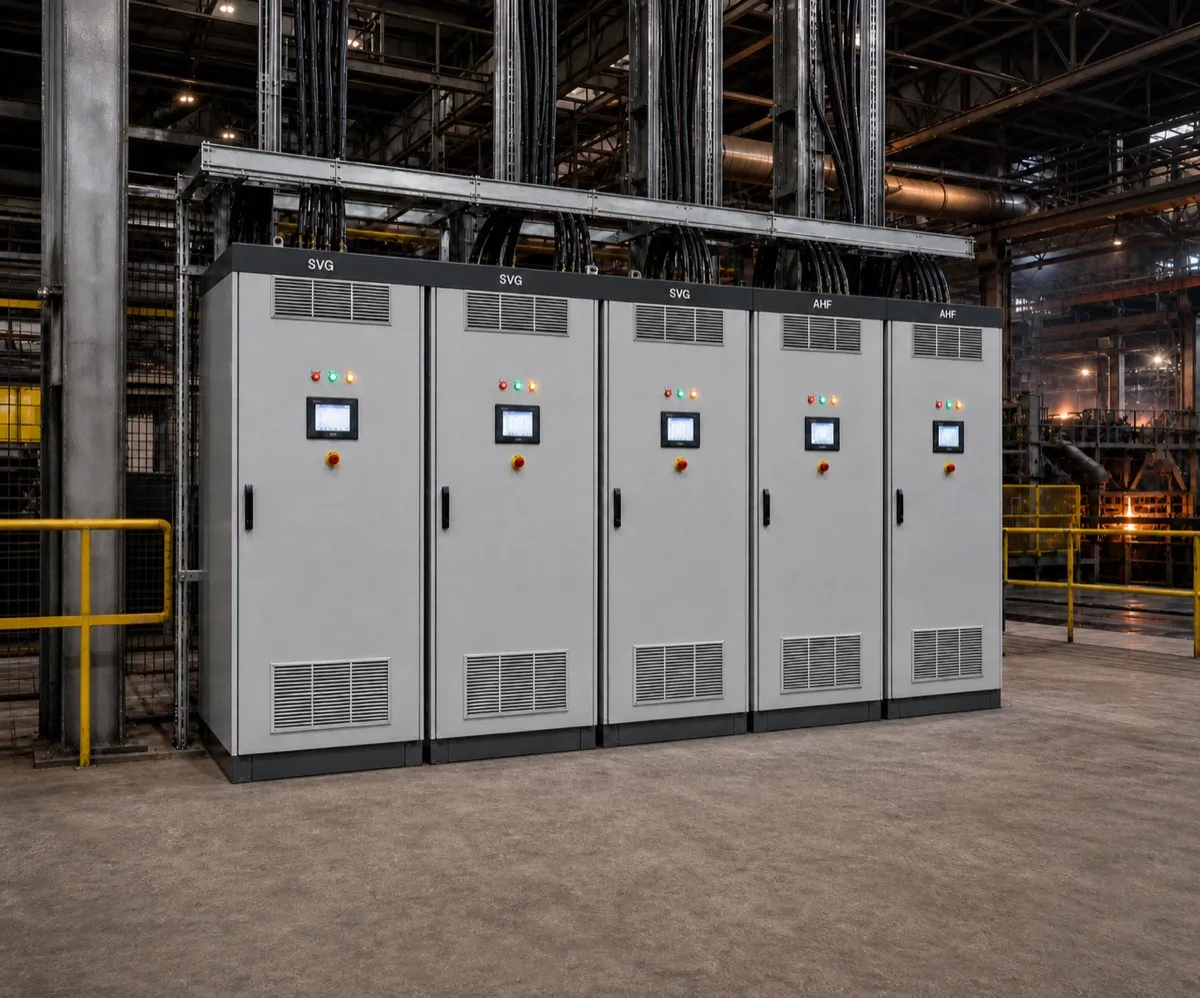
In today’s rapidly advancing technological landscape, the demand for high-quality electrical power has become more critical than ever. This is where Active Harmonic Filters (AHFs) make their mark. These innovative devices help mitigate power quality issues associated with harmonic distortion, which has become a prevalent pain point for industries relying on electronic equipment and motor drives. AHF technology provides a smart solution, enabling smoother operation and significantly reducing energy costs.
Businesses today face a spectrum of challenges related to power quality, including equipment malfunction, excess heating, and increased energy consumption. These issues can lead to substantial financial losses—measured at around 4-5% of annual revenue according to the National Institute of Standards and Technology. Thus, integrating AHF systems has emerged as a vital measure for enhancing operational efficiency.
Definition of Active Harmonic Filters
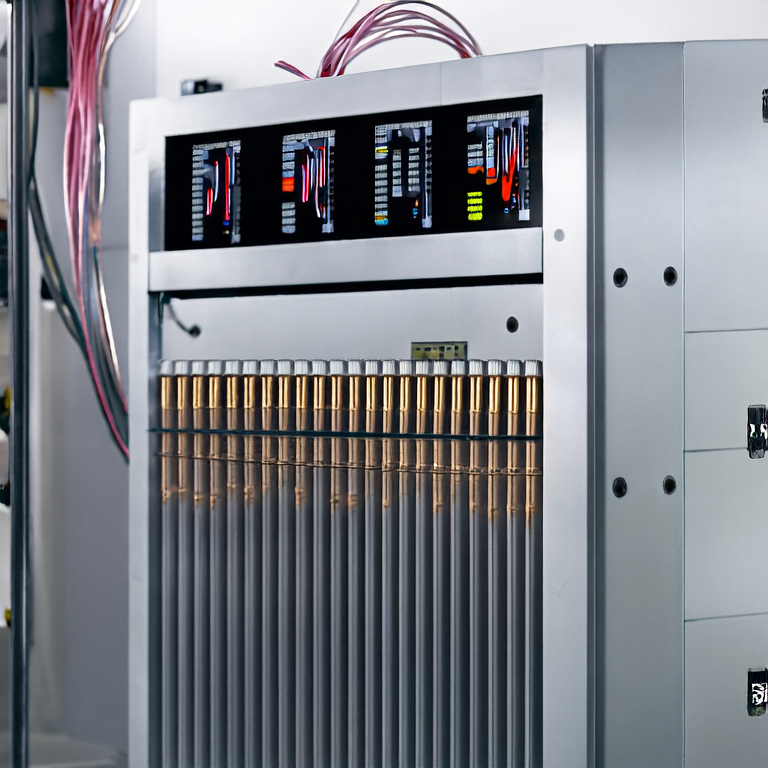
Active Harmonic Filters are advanced devices designed to eliminate harmonic distortion in electrical systems. Harmonics are voltage or current waveforms that deviate from their ideal sinusoidal shapes and become a byproduct of non-linear electrical loads, such as variable speed drives and switching power supplies.
Industry term analysis: Understanding harmonics is critical. Harmonics can be expressed as a percentage of the fundamental frequency. For example, a 5th harmonic at 250 Hz in a 50 Hz system can contribute significantly to increased heating and energy losses. Recent studies have indicated that AHFs operate by injecting precise counter-harmonic currents to cancel out the undesired harmonics, thus restoring power quality.
Application Scenarios for Active Harmonic Filters
Active Harmonic Filters are widely used in various sectors, including:
- Industrial Manufacturing: Factories employing motor drives and robotics often experience harmonic distortion, leading to inefficiencies and increased wear on equipment.
- Commercial Buildings: High-rise offices demanding substantial power due to HVAC systems benefit from harmonic filtering to enhance energy efficiency.
- Data Centers: With the reliance on large amounts of electronic equipment, data centers utilize AHFs to maintain stable operation and prevent outages.
Research indicates that businesses implementing AHFs have noted improved equipment lifespan, quantified at an average increase of 22% due to reduced thermal stress and operational inefficiencies.
Brief Description of Advantages
The importance of Active Harmonic Filters can be highlighted by their significant advantages:
- Cost Savings: Implementing AHFs can lead to up to a 30% reduction in energy bills, particularly in high-load environments.
- Equipment Protection: By minimizing harmonic distortion, AHFs can extend the life of electrical equipment by an estimated 25%.
- Reliability and Compliance: With regulations tightening on harmonic distortion levels (i.e., IEEE 519 standards), AHFs ensure compliance with these norms while maintaining system reliability.
The value proposition is clear: the return on investment (ROI) for installing an AHF can be realized in as little as 12 months through energy savings and reduced equipment maintenance costs.
Next Step Guidance
To fully understand the capabilities of Active Harmonic Filters, we encourage users to consult the user guide or instruction manual associated with their specific model. For tailored solutions or detailed queries, reaching out to brand representatives from SINAVA can provide further insights into the benefits of deploying AHFs in various applications.
Frequently Asked Questions
What are the requirements for an Active Harmonic Filter?
Active Harmonic Filters require proper selection based on the total harmonic distortion (THD) levels present in the electrical system. It\'s essential to assess the load characteristics and consult with a professional to determine the appropriate AHF size.
How do Active Harmonic Filters improve system efficiency?
By actively canceling out harmonics, these filters enhance the overall power quality, leading to lower energy losses and improved performance of electrical devices, thereby achieving operational efficiency.
Can AHFs be integrated with existing systems?
Yes, most Active Harmonic Filters are designed for seamless integration with existing electrical systems, making installation straightforward while yielding immediate benefits.
For those eager to explore their options further, consider reaching out to SINAVA to discover advanced AHF solutions tailored to your unique requirements.