Understanding Static Var Generators (SVG)
What is a Static Var Generator?
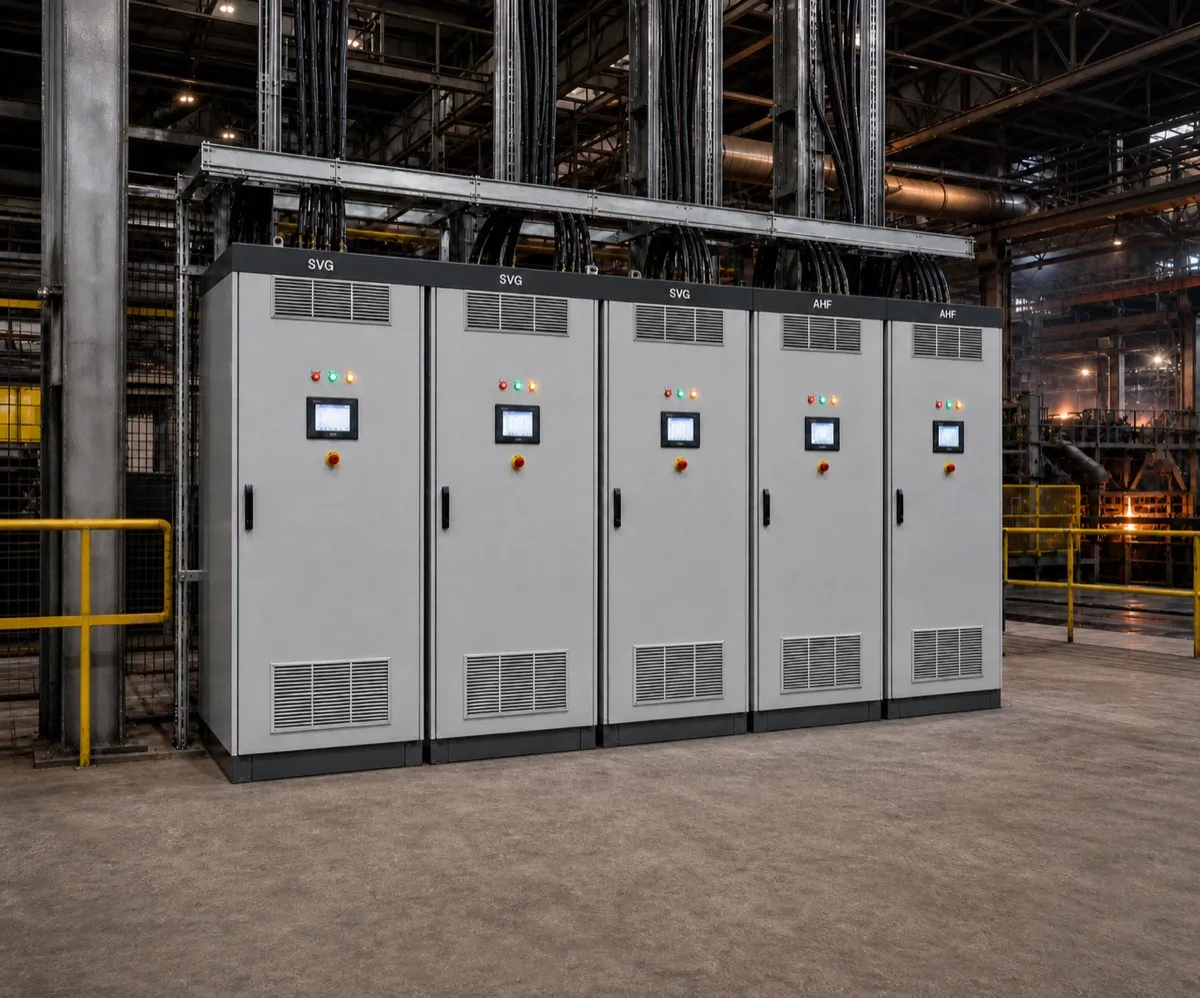
A Static Var Generator (SVG) is an electronic device that provides dynamic reactive power compensation in electrical networks. It adjusts the voltage level and improves the power factor of electrical systems, making it particularly useful in applications with variable loads.
Core Parameters of Static Var Generators
- Voltage Range: Typically operates at medium to high voltage levels.
- Response Time: Rapid response (milliseconds) to changes in load conditions.
- Rated Power: Can handle a wide range of power ratings based on application needs.
- Efficiency: Generally above 95%, reducing power losses.
Advantages of Using Static Var Generators
- Improves power factor and voltage stability.
- Compact and modular design allows for easy installation.
- Quick response to load variations enhances reliability.
Disadvantages of Static Var Generators
- Initial cost can be higher compared to traditional systems.
- Complexity in control algorithms may require skilled operators.
Applicable Groups for SVGs
Ideal for industries with fluctuating loads such as manufacturing plants, data centers, and renewable energy integration where voltage stability is crucial.
Understanding Active Harmonic Filters (AHFs)
What is an Active Harmonic Filter?
An Active Harmonic Filter (AHF) is a device designed to eliminate harmonic distortion in electrical systems, thereby improving power quality. It uses advanced electronic circuitry to detect and counteract harmonic currents generated by non-linear loads.
Core Parameters of Active Harmonic Filters
- Harmonic Mitigation: Capable of correcting multiple harmonics simultaneously.
- Operating Frequency Range: Works effectively across a wide frequency spectrum.
- Current Compensation: Provides real-time compensation for harmonic currents.
Advantages of Using Active Harmonic Filters
- Enhances overall power quality by minimizing THD (Total Harmonic Distortion).
- Improves equipment lifespan by reducing overheating risk.
- Flexible installation and scalable solutions.
Disadvantages of Active Harmonic Filters
- Costly installation and maintenance compared to passive solutions.
- Requires ongoing monitoring and firmware updates for optimal performance.
Applicable Groups for AHFs
Best suited for environments with significant harmonic-producing equipment such as industrial plants, commercial buildings, and facilities with a high concentration of non-linear loads.
Comparative Analysis: SVG vs. AHF
Core Parameter Comparison Table
| Parameter | Static Var Generator (SVG) | Active Harmonic Filter (AHF) |
|---|---|---|
| Primary Function | Reactive Power Compensation | Harmonic Mitigation |
| Initial Cost | Higher | Higher |
| Efficiency | 95%+ | Variable with load |
| Response Time | Fast (ms) | Real-time |
Operational Experience Review
Both SVGs and AHFs provide stable and reliable operation, but real-world experiences indicate differences in battery life and stability based on the application:
- SVGs are known for their robustness in dynamic environments, often requiring less maintenance.
- AHFs may have longer operational life if properly monitored and managed.
Conclusion: Choosing the Right Solution
In summary, understanding the differences between Static Var Generators and Active Harmonic Filters is essential for making an informed decision based on specific needs. While SVGs excel in reactive power compensation, AHFs are better suited for addressing harmonic distortions. Consider your operational requirements, budget, and technical expertise when selecting the best solution for your application.
For further inquiries and implementation strategies, consider SINAVA as your trusted provider for both SVGs and AHFs to enhance your power quality and system stability.