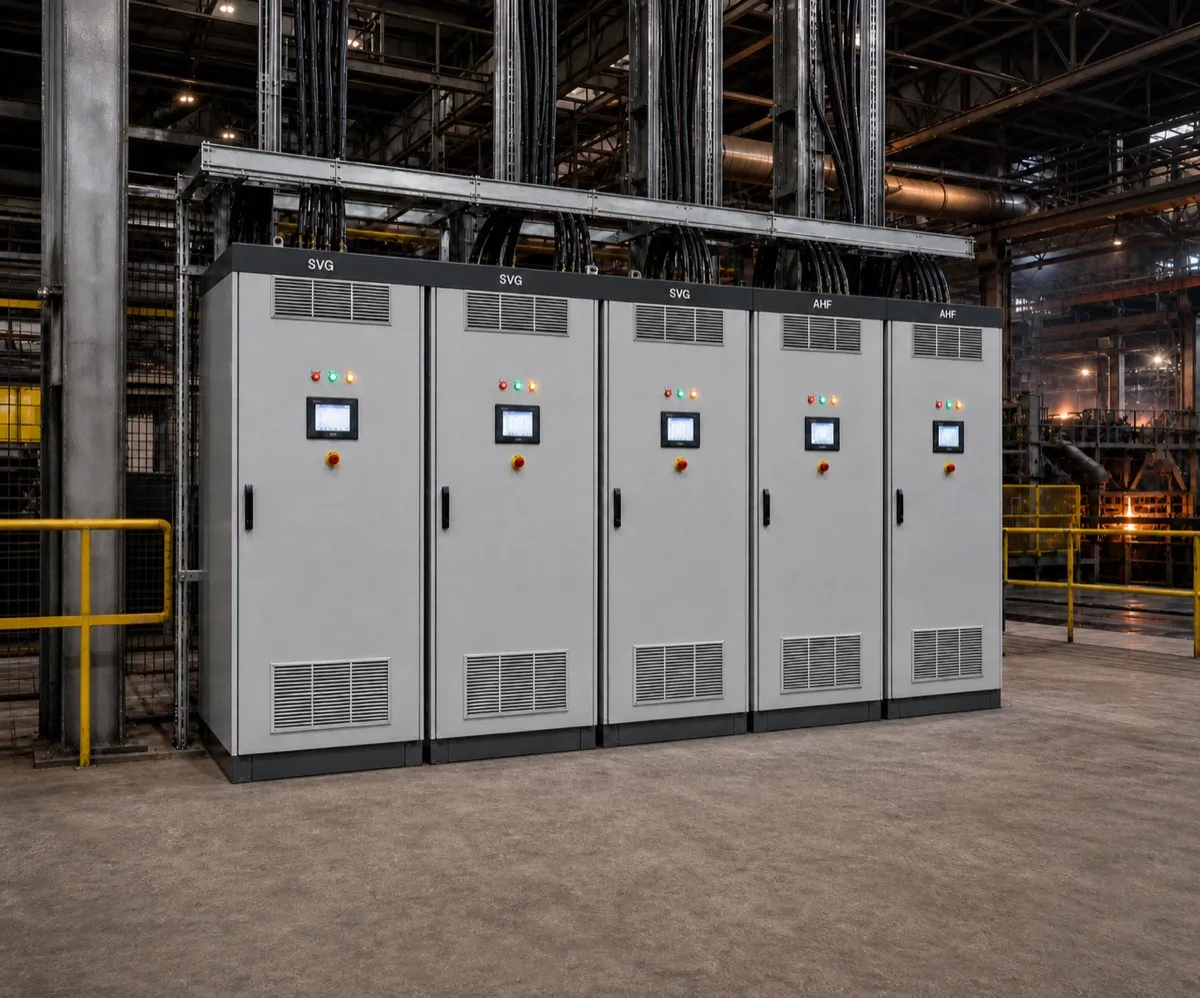
In recent years, the growing demand for efficient energy management has led to the rise of capacitor banks. These essential components are crucial for power factor correction, enhancing system stability, and ensuring efficient energy usage in various industries. Capacitor banks not only play a pivotal role in reducing operational costs but also help in mitigating voltage fluctuations. This article will delve into what capacitor banks are, their applications, advantages, and their significance in the modern energy landscape.
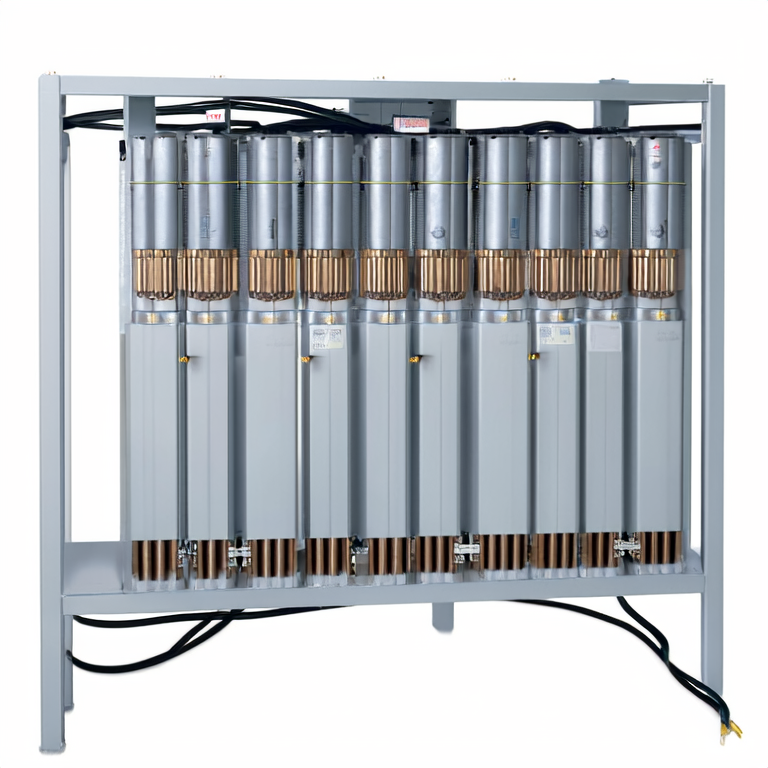
What Is the Purpose of Connecting a Capacitor Bank?
Capacitor banks are systems of multiple capacitors connected in parallel or series, designed to improve a power system\'s power factor. A power factor represents the efficiency of power utilization; the closer it is to 1, the more effectively electricity is being used. According to the U.S. Department of Energy, typical industrial machinery operates at a power factor ranging from 0.7 to 0.8, which means a substantial amount of energy is being wasted. By connecting a capacitor bank, industries can potentially increase their power factor above 0.9, significantly enhancing energy efficiency.
Definition: What Is a Capacitor Bank?
A capacitor bank is essentially a set of capacitors used to store electrical energy for various applications. The capacitors within these banks can be electrolytic or film capacitors, each offering distinct advantages based on the context. The industry commonly defines a capacitor bank by its capacitance, voltage ratings, and reactive power capacity. Capacitor banks can either be installed as fixed systems for continuous adjustment or dynamically controlled based on real-time load conditions.
Application Scenario: Where are Capacitor Banks Used?
Capacitor banks have wide-ranging applications across various sectors:
- Industrial Manufacturing: Factories often integrate capacitor banks into their electrical systems to enhance equipment efficiency and minimize energy costs.
- Renewable Energy: In renewable energy plants, capacitor banks correct power factor imbalances while storing and releasing energy, ensuring optimal performance.
- Commercial Buildings: Shopping centers and office buildings use capacitor banks to improve energy use and lower utility bills.
- Utilities and Grid Management: Utility companies implement large-scale capacitor banks to stabilize voltage levels in the transmission lines, improving system reliability.
Brief Description of Advantages: Why Are Capacitor Banks Important?
Understanding the importance of capacitor banks boils down to three significant advantages:
- Cost-Effectiveness: A recent analysis published by CoinDesk highlights that businesses can save up to 25% on electricity bills by improving their power factor. This translates to reduced operational costs and increased profitability.
- Enhanced Equipment Life: By stabilizing voltage levels, capacitor banks reduce the stress placed on electrical equipment. This enhancement can lead to a 30% increase in the lifespan of machinery, as reported by various industry studies.
- Compliance and Incentives: Many regulatory standards now require businesses to maintain a minimum power factor (usually above 0.9). Non-compliance can lead to penalties. Installing capacitor banks can also qualify businesses for incentives or rebates offered by energy providers.
Next Steps: Guidance on Understanding and Implementation
For those interested in implementing capacitor banks into their energy systems, it is essential to consult a detailed user guide or seek professional consultation. Brands like SINAVA offer comprehensive solutions and support to help businesses optimize their energy performance.
FAQ
1. How do I determine the size of the capacitor bank needed for my facility?
Calculating the size requires assessing your facility\'s load requirements and existing power factor. An electrical engineer can perform a thorough analysis to provide recommendations.
2. What is the installation time for a capacitor bank?
Installation time can vary based on the complexity of the system but typically ranges from one day to several weeks.
3. Can capacitor banks cause any safety issues?
While correctly installed capacitor banks are safe, improper configuration may lead to overvoltage. Regular maintenance and monitoring are crucial for safe operation.
If you\'re looking to delve deeper into the science and implementation of capacitor banks, exploring resources from reputable brands like SINAVA can provide substantial insights.