1. Introduction
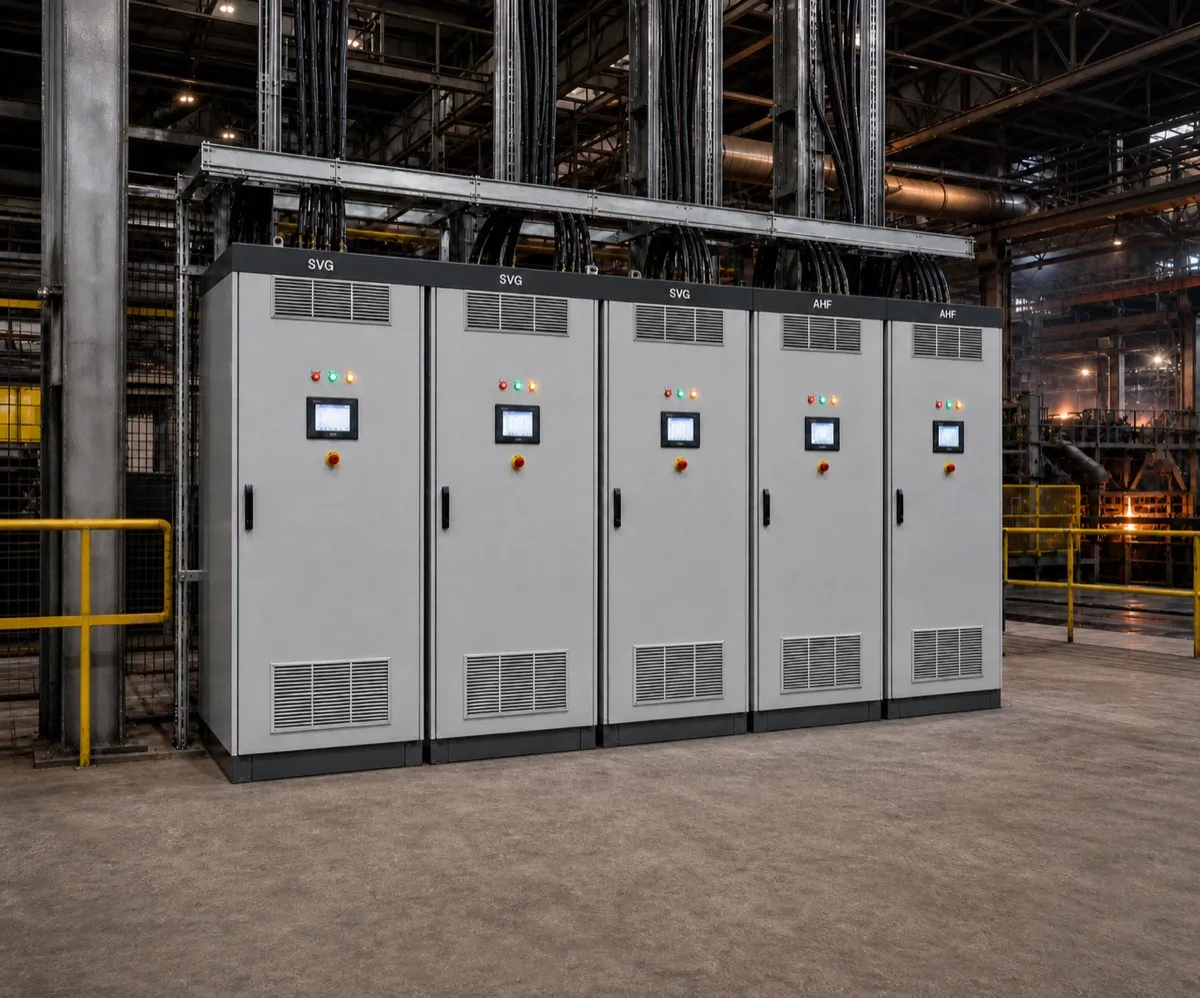
Harmonic filters play a crucial role in modern electrical systems. They are essential to mitigate harmonic distortions caused by electrical equipment. In this article, we will discuss when to use harmonic filters, the pain points they address, and their significant benefits. If you are facing issues related to electrical disturbances, you might find the solution lies in using these filters.
2. What Are Harmonic Filters?
Harmonic filters are devices that reduce harmonic distortion on electrical systems. They work by eliminating or reducing certain frequencies that can lead to inefficiencies and malfunctions. Understanding their role is essential for anyone managing electrical systems.
3. Signs You Need Harmonic Filters
Electrical Equipment Malfunction: If your equipment runs inefficiently or frequently fails, check for harmonic distortion.
Increased Energy Bills: Increased operational costs can be a sign of harmonic distortion affecting efficiency.
Grid Compliance Issues: Meeting standards is crucial; harmonic filters ensure compliance with regulations.
Noise in Electrical Signals: Unwanted electrical noise can disrupt communication and control signals.
Overheating of Transformers: Excessive heating might indicate the presence of harmonics affecting your system.
4. Benefits of Using Harmonic Filters
There are several benefits of implementing harmonic filters in your electrical system:
Increased Equipment Lifespan: Reduces wear on equipment.
Improved Energy Efficiency: Lowers energy consumption.
Regulatory Compliance: Ensures adherence to standards.
Reduced Operational Costs: Lowers power bills and maintenance expenses.
Better Power Quality: Enhances the overall reliability of electrical systems.
5. Types of Harmonic Filters
| Filter Type | Application | Advantages |
|---|---|---|
| Passive Filters | Small applications | Cost-effective, simple design |
| Active Filters | Large industrial systems | Adaptive response, high efficiency |
| Hybrid Filters | Complex environments | Combination of benefits from both |
6. Applications of Harmonic Filters
Harmonic filters can be applied in various sectors including:
Manufacturing Plants: Where large equipment generates harmonics.
Data Centers: To ensure stable power for sensitive equipment.
Commercial Buildings: Improving power quality for HVAC and lighting systems.
Renewable Energy: Ensuring inverter systems run efficiently.
7. How to Choose and Install Harmonic Filters
Follow these steps to select and install harmonic filters:
Assess your electrical system's current state and analyze total harmonic distortion.
Identify the type of harmonic filter suitable for your requirements.
Consult with professionals to determine optimal locations for installation.
Proceed with installation ensuring compliance with safety measures.
Evaluate the effectiveness post-installation with regular monitoring.
8. Conclusion
Recognizing when to use harmonic filters is critical for maintaining the efficiency and longevity of electrical systems. Whether you operate a factory or manage a commercial building, implementing these solutions can yield significant benefits. Invest in harmonic filters to ensure your systems run efficiently and compliant with regulations, ultimately reducing costs and improving productivity.