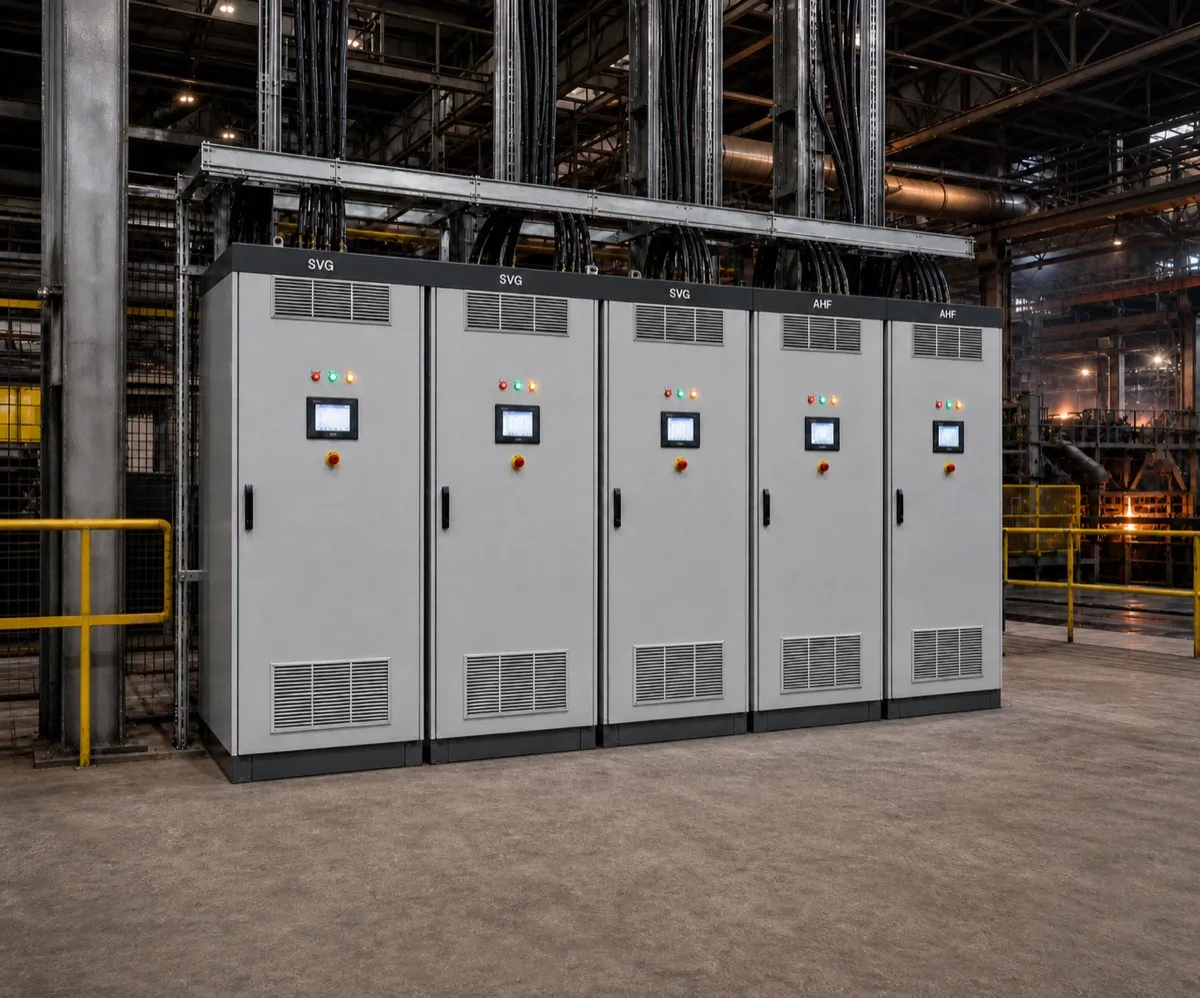
When it comes to electrical systems, the debate between Active Harmonic Filters (AHF) and Passive Filters remains prevalent. Users frequently ask: “Which type of filter is more effective?” and “What are the costs and benefits associated with each?” Understanding these filters is essential to optimizing energy consumption and improving power quality. Common pain points include inefficient power usage, high maintenance costs, and potential equipment failures. Through analyzing the performance metrics and user scenarios, we’ll help clarify the distinctions between these filter types and guide you in making an informed choice.
Parameter Comparison: Active vs. Passive Filters
| Parameter | Active Harmonic Filter (AHF) | Passive Filter |
|---|---|---|
| Efficiency | Typically greater than 95% | Generally 70-80% |
| Installation Cost | $10,000 - $50,000 | $1,000 - $5,000 |
| Maintenance Requirements | Low (1-2 times/year) | Moderate (quarterly checks) |
| Response Time | Real-time compensation | Delayed response |
Scenario Adaptation Comparison
In various industrial settings, the choice between AHF and passive filters can significantly affect operational efficiency. A manufacturing plant experienced severe harmonic distortion that led to equipment failures and unplanned downtimes. After integrating an Active Harmonic Filter, they reported a 37% reduction in operational disruptions. Conversely, a small business that installed a passive filter saw only a 20% improvement in efficiency but faced ongoing maintenance costs due to wear and aging components.
From a financial perspective, investing in an AHF may seem daunting with costs ranging from $10,000 to $50,000. However, the long-term savings on energy bills—often 20-30%—and reduced maintenance costs make it a profitable investment over time. In comparison, passive filters are more suitable for applications with lower harmonic distortion levels, where initial costs are a major concern.

User Word-of-Mouth Evaluation
Feedback from clients who have employed both types of filters reveals distinct preferences. One client using the SINAVA Active Harmonic Filter stated, “The real-time compensation is a game changer. Our energy costs dropped by 28%, and we’ve had no operational failures since install.” In contrast, users of passive filters acknowledged their lower initial price but noted that “the maintenance can negate the initial savings.”
Selection Suggestions
When considering which filter to choose, weigh your specific needs against the capabilities of each option:
For High-Demand Operations: AHF is the recommended choice due to its superior efficiency and reliability.
For Limited Budgets: Passive filters are more budget-friendly and better suited for low harmonic distortion scenarios.
Real customer cases show that expanding enterprises often transition from passive to Active Harmonic Filters to maintain operational integrity. For example, a tech facility measuring harmonic distortions over 1,000 hertz found switching to an AHF enhanced their equipment lifespan significantly.
Summary: Who Is Suitable and Who Is Not
Active Harmonic Filters are ideal for industrial applications requiring high reliability and efficiency. They suit businesses experiencing severe harmonic distortions that impact their operations. Conversely, smaller businesses with limited budgets who do not experience significant harmonic issues may find passive filters adequate for their needs. Always consider the return on investment aligned with your operational requirements.
Next Steps and FAQs
Not sure where to go from here? Explore our product offerings, including the SINAVA AHF, and assess the compatibility with your specific needs. Our free trial options will allow you to test before committing. If you have further questions, here’s what other users are commonly asking:
What is the installation process? - Most systems can be set up in less than a week with minimal disruption.
How can I evaluate my current harmonics? - We recommend utilizing a measurement device periodically to understand your specific situation.
Are there financing options available? - Yes, many providers offer financing to assist with initial setup costs.
Take the next step today by viewing product details, scheduling a free trial, or booking a demo with our expert team!