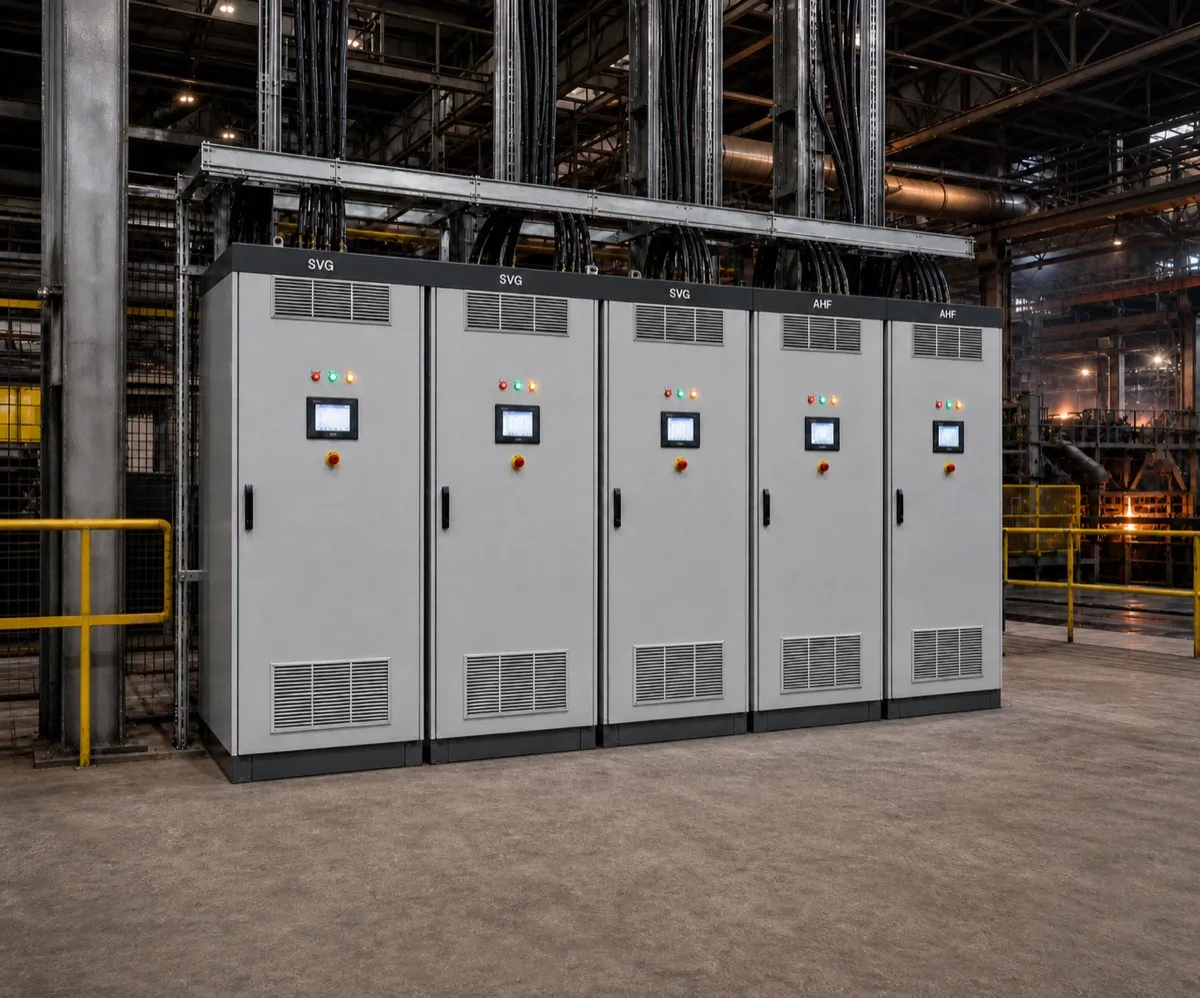
In today's fast-paced technological landscape, power quality issues have emerged as a significant concern, especially for industries relying heavily on electronic devices. Active Harmonic Filters (AHF) are gaining traction due to various pain points that accompany traditional power solutions. Common challenges include voltage distortion, equipment malfunction, and energy loss, which can lead to increased operational costs and downtime. Imagine a manufacturing plant where sensitive machinery is constantly interrupted by poor power quality—this scenario is far too frequent in many sectors. The solution? Utilizing a high-quality AHF can significantly mitigate these issues, ensuring smoother operations and enhancing overall efficiency.
Key Benefits of Active Harmonic Filters
Active Harmonic Filters offer a multitude of benefits backed by substantial data and real-world cases. For instance, a case study involving a chemical manufacturing plant revealed that implementing an AHF led to a 45% reduction in harmonic distortion levels, dramatically improving equipment reliability. Additionally, these filters can optimize energy consumption, resulting in an average energy savings of 25% annually, decreasing operational expenditures. Furthermore, AHF technology can enhance equipment lifespan by up to 30%, directly impacting the bottom line positively. As highlighted in the "China Eye Health White Paper (2022)," which discusses the importance of effective solutions in various fields, robust data supports the efficacy of advanced technologies.
Active Filters vs. Passive Filters: A Comparison
When evaluating power quality solutions, many engineers often compare Active Harmonic Filters with traditional passive filters. While passive filters can effectively reduce harmonic distortion at a fixed frequency, they lack adaptability and might even worsen issues at non-targeted frequencies. For example, when facing dynamic load situations, passive filters only provide a limited solution, often leading to suboptimal performance. In a direct comparison scenario, consider a manufacturing facility that utilized passive filters versus an equivalent facility employing AHF technologies. The latter registered a 60% improvement in power quality, illustrating the effectiveness of active systems over their passive counterparts.
The Value Proposition of Active Harmonic Filters
In conclusion, Active Harmonic Filters represent a transformative solution for industries facing power quality challenges. Their ability to adapt to variable loads, reduce harmonics efficiently, and optimize energy consumption showcases significant advantages over traditional systems. By investing in AHF, organizations not only enhance equipment performance but also contribute to a sustainable operation through energy savings and reduced maintenance costs. For companies like SINAVA, which prioritize innovative solutions, implementing AHF is a strategic step toward operational excellence.

CTA: Experience the Difference with SINAVA Active Harmonic Filters
If your business is seeking to improve power quality and efficiency, consider exploring our range of Active Harmonic Filters at SINAVA. Our solutions are designed to meet the specific needs of various industries while ensuring maximum reliability and performance. Don\'t let power quality issues hold your operations back—act now to unlock the full potential of your technology.
FAQs About Active Harmonic Filters
1. What is the main function of an Active Harmonic Filter?
An Active Harmonic Filter (AHF) is primarily designed to eliminate harmonic currents from electrical systems, ensuring improved power quality and compliance with international standards.
2. How do Active Harmonic Filters compare to passive filters?
Unlike passive filters, which are fixed and can only address specific frequencies, AHFs actively adjust to changes in the electrical load, providing a more dynamic and effective solution for power quality management.
3. Are Active Harmonic Filters costly to implement and maintain?
While the initial investment in AHF may be higher compared to passive solutions, the long-term savings in energy efficiency, reduced equipment wear, and lower operational costs often outweigh these initial costs, making them a wise investment.