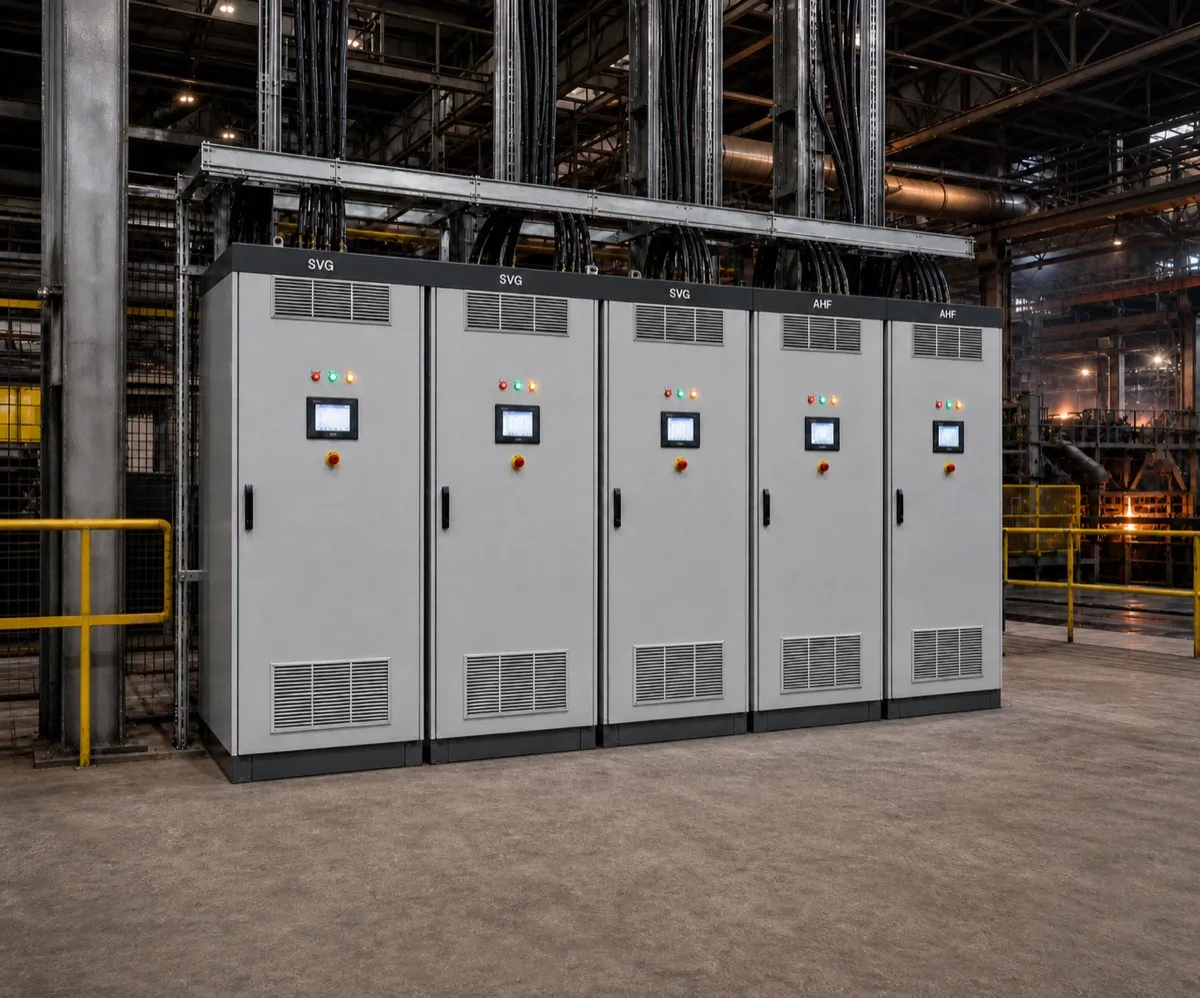
Industrial systems face several challenges, particularly when it comes to power quality. The proliferation of non-linear loads often leads to the generation of harmonic currents, which can severely disrupt operations and escalate energy costs. Many industrial facilities experience issues such as overheating of electrical equipment, increased maintenance costs, and reduced efficiency. According to the SINAVA Power, these challenges can lead to a 20% increase in energy expenditure. However, implementing an Active Harmonic Filter (AHF) significantly mitigates these problems, ensuring smooth and stable operations and substantially decreasing operational costs.
Understanding Active Harmonic Filters and Their Benefits
Active Harmonic Filters play a critical role in enhancing power quality in industrial settings. These sophisticated devices continuously monitor electrical systems and inject counteracting currents to neutralize harmonic distortions. The benefits of using an AHF are substantial:
Efficiency Improvement: AHF can improve overall system efficiency by up to 30%, leading to lower energy consumption and reduced utility bills.
Reduced Equipment Damage: By minimizing harmonic distortions, AHFs prevent overheating, increasing the lifespan of sensitive machinery. Equipment longevity can increase by 20% when harmonics are managed effectively.
Compliance with Standards: Many industries must comply with International Electrotechnical Commission (IEC) and Institute of Electrical and Electronics Engineers (IEEE) standards—AHFs help maintain compliance, avoiding costly fines.
Real-World Applications
Several industries have already witnessed the transformative benefits of integrating Active Harmonic Filters. For instance, a manufacturing plant that installed an AHF noted a 65% reduction in downtime due to equipment failures linked to harmonic distortion. Another case study published by SINAVA Power highlighted a food processing factory that saved over $150,000 annually in energy costs after implementing a harmonic filter solution. Such data reinforces the necessity of harmonics management in industrial systems.
Active Harmonic Filter vs. Not Using One
Comparing scenarios can provide clearer insights:
With Active Harmonic Filter
Reduced total harmonic distortion (THD) levels to below 5%.
Enhanced energy savings averaging 30%.
A lifespan extension of electrical equipment by at least 20%.
Without Active Harmonic Filter
THD levels often exceed 15%, leading to significant inefficiencies.
Increased electricity costs by over 20% due to inefficiencies.
Heightened risk of equipment failures and unplanned downtime.
Clearly, the financial and operational implications of not utilizing an AHF can be severe. Businesses risk losing not only in terms of immediate costs but also in terms of future growth potential.
Conclusion: The Value Proposition of Active Harmonic Filters
Active Harmonic Filters are not just a helpful tool; they are a necessity for modern industrial systems striving for efficiency, compliance, and sustainability. As demonstrated through numerous case studies, adopting AHFs can lead to significant improvements in both operational efficiency and cost savings. By mitigating harmonics, you can protect your investment in equipment and ensure the reliability of your operations.
Call to Action
Interested in enhancing your industrial system\'s power quality? Explore the various solutions offered by SINAVA. Discover the transformative impact of Active Harmonic Filters through our range of products.
FAQs
1. What is an Active Harmonic Filter?
An Active Harmonic Filter is a device that mitigates harmonics in electrical systems to improve power quality, efficiency, and equipment lifespan.
2. How do I know if my system needs an Active Harmonic Filter?
Signs include overheating equipment, increased energy costs, and issues with equipment malfunction. Harmonic measurements exceeding industry standards can indicate a need for a filter.
3. Can I install an Active Harmonic Filter myself?
While some may attempt to install an AHF, it is recommended to consult with a professional for proper integration within your electrical system.