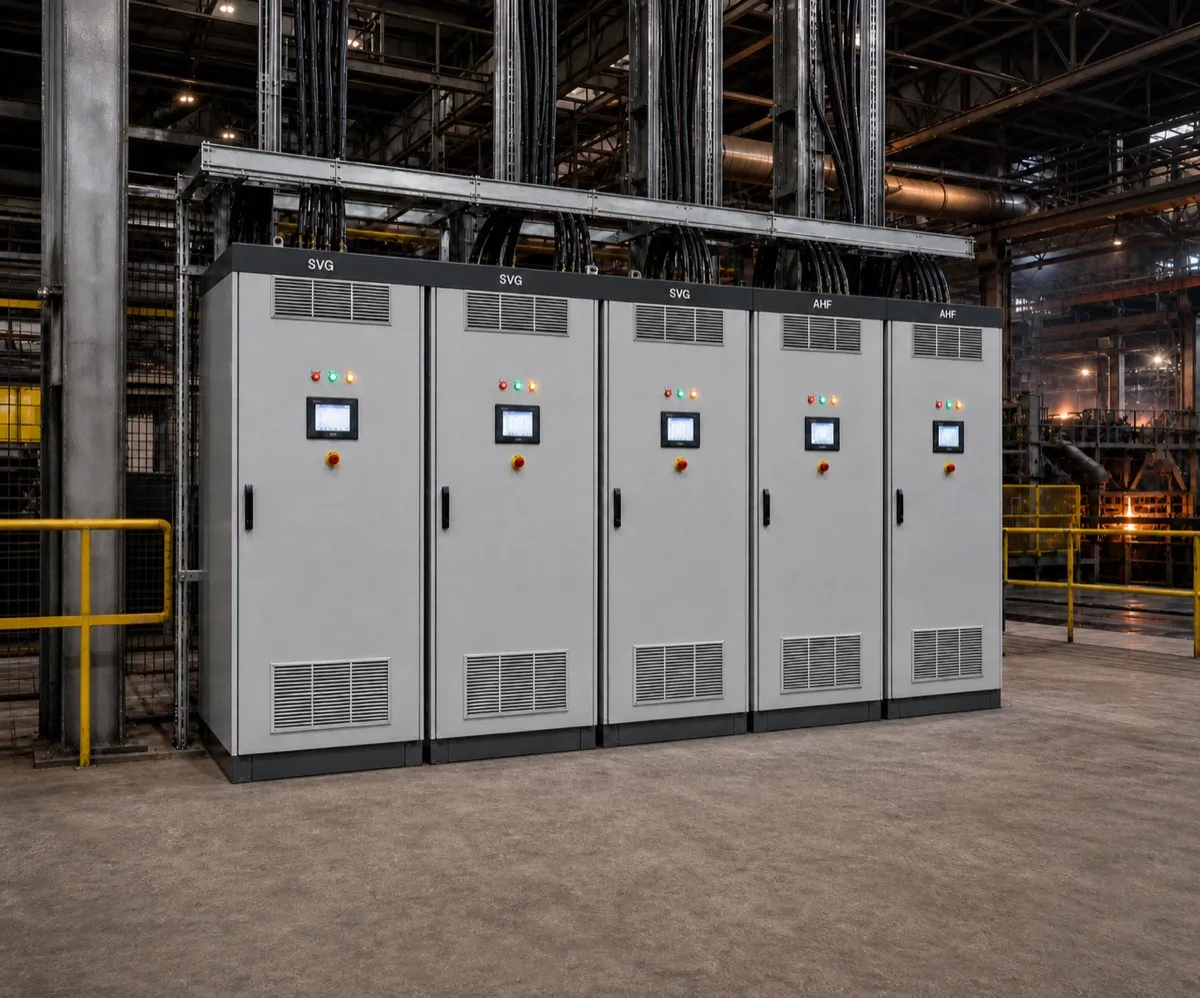
Introduction: Why Capacitor Bank is Necessary
In today’s rapidly evolving energy landscape, many industries face significant challenges in managing reactive power, voltage stability, and overall energy efficiency. With rising energy costs and the push towards sustainable practices, understanding the necessity of a capacitor bank has never been more critical. Companies often deal with excessive energy loss due to power factor issues, which can lead to costly penalties. By implementing a capacitor bank, businesses can enhance their operational efficiency, reduce energy costs, and improve power quality, addressing these pain points effectively.
The Benefits of Capacitor Banks
Capacitor banks play a pivotal role in improving the power factor of electrical systems. A study revealed that by utilizing a well-designed capacitor bank, organizations can increase their power factor by up to 20%, resulting in energy savings of approximately 10-25% on monthly electricity bills. For example, a manufacturing company that installed a SINAVA capacitor bank reported a significant reduction in their energy costs, achieving savings of $15,000 annually.
Moreover, capacitor banks support voltage stability across electrical networks. They maintain voltage levels, allowing equipment to operate efficiently and reducing the risk of outages. In a recent case study, a facility equipped with a capacitor bank experienced a 40% decrease in voltage sags, facilitating uninterrupted production processes and enhancing the reliability of their operations.
Capacitor Bank vs. No Capacitor Bank: A Comparative Analysis
When comparing operations with and without capacitor banks, the differences are stark. Facilities lacking capacitor banks often face a power factor lower than 0.9, leading to increased utility bills and potential penalties for poor power factor. In contrast, those utilizing capacitor banks consistently maintain power factors above 0.95, significantly reducing energy costs.
For instance, in an industrial scenario, a facility running without a capacitor bank experienced energy costs upwards of $100,000 per year due to inefficiencies. Implementing a SINAVA capacitor bank reduced these costs to below $80,000 per year, translating into a 20% saving. The improved energy efficiency not only cut costs but also reduced the carbon footprint, aligning with sustainable practices.

Conclusion: Harness the Power of Capacitor Banks
In summary, capacitor banks are not just a technical requirement; they are a vital investment for businesses aiming to enhance energy efficiency, reduce operational costs, and improve power quality. With the proven ability to increase power factor and stabilize voltage levels, integrating a capacitor bank into your electrical system offers substantial economic and operational benefits that outweigh the upfront costs.
Call to Action: Explore SINAVA Capacitor Banks
If you’re interested in optimizing your facility\'s energy management, consider exploring SINAVA for advanced capacitor bank solutions. Our products are designed to deliver maximum efficiency and cost savings. Don’t wait to improve your energy performance!
Frequently Asked Questions (FAQ)
What is the main purpose of a capacitor bank?
The main purpose of a capacitor bank is to improve the power factor of electrical systems, enhance voltage stability, and reduce energy costs by storing and discharging reactive power.
How does a capacitor bank work?
A capacitor bank works by providing reactive power to a power system, which helps to correct the power factor. It draws less current from the grid during peak demand, reducing energy costs and improving efficiency.
Can all facilities benefit from a capacitor bank?
Yes, any facility that experiences power factor penalties, voltage instability, or high energy costs can benefit from installing a capacitor bank. The specific benefits can vary based on the electrical load and system design.